

Kangra’s Guardian Deity: The Sacred Legacy of Mata Bajreshwari
How Himachal’s revered Shakti Peetha symbolizes faith, resilience, and the enduring power of the Divine Mother
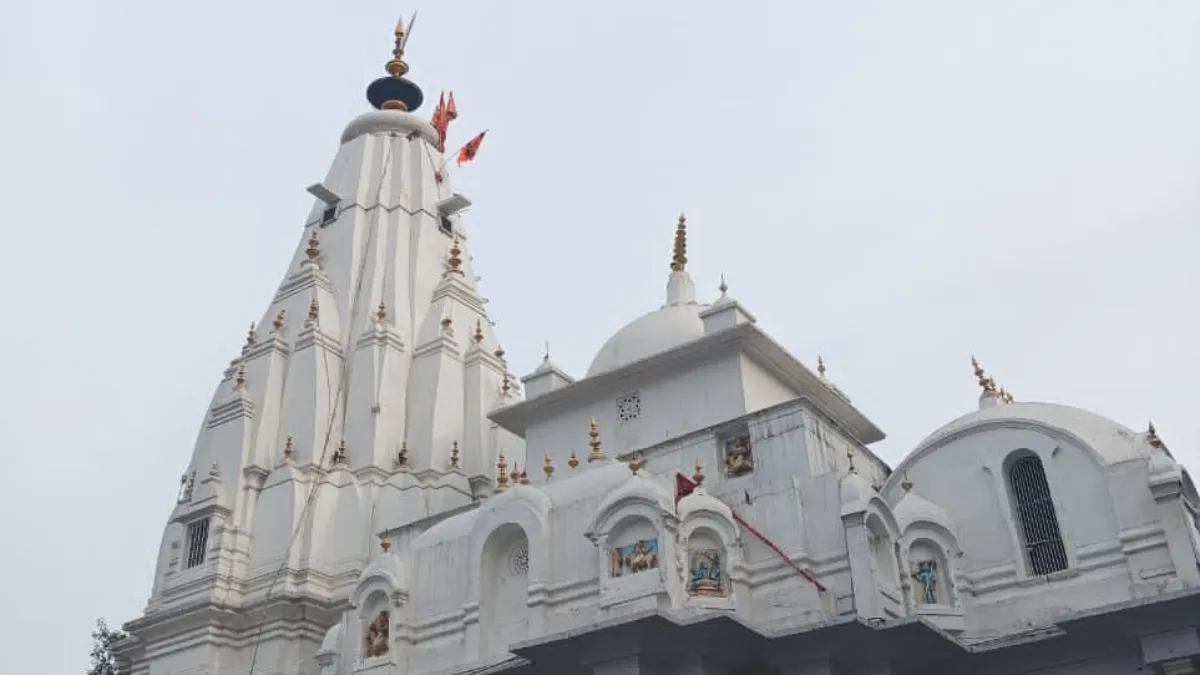
Nestled in the historic town of Kangra, amid the mighty Dhauladhar ranges of Himachal Pradesh, the Mata Bajreshwari Temple stands as a timeless symbol of faith, resilience, and divine feminine power. Revered as one of the Shakti Peethas, this sacred shrine draws devotees from across India who seek strength, protection, and blessings from the Mother Goddess.
The Bajreshwari Temple, also known as the Vajreshwari Temple or Kangra Devi Temple, derives its name from two Sanskrit words: ‘Vajra,’ meaning thunderbolt, and ‘Ishwari’ meaning goddess. According to legend, when Goddess Sati sacrificed herself, Lord Shiva carried her body and performed the cosmic Tandava. To prevent Shiva from destroying the universe, Lord Vishnu used his Sudarshana Chakra to divide Sati’s body into 51 parts. The left breast of Mata Sati is believed to have fallen at this very spot, making it an immensely powerful spiritual centre.
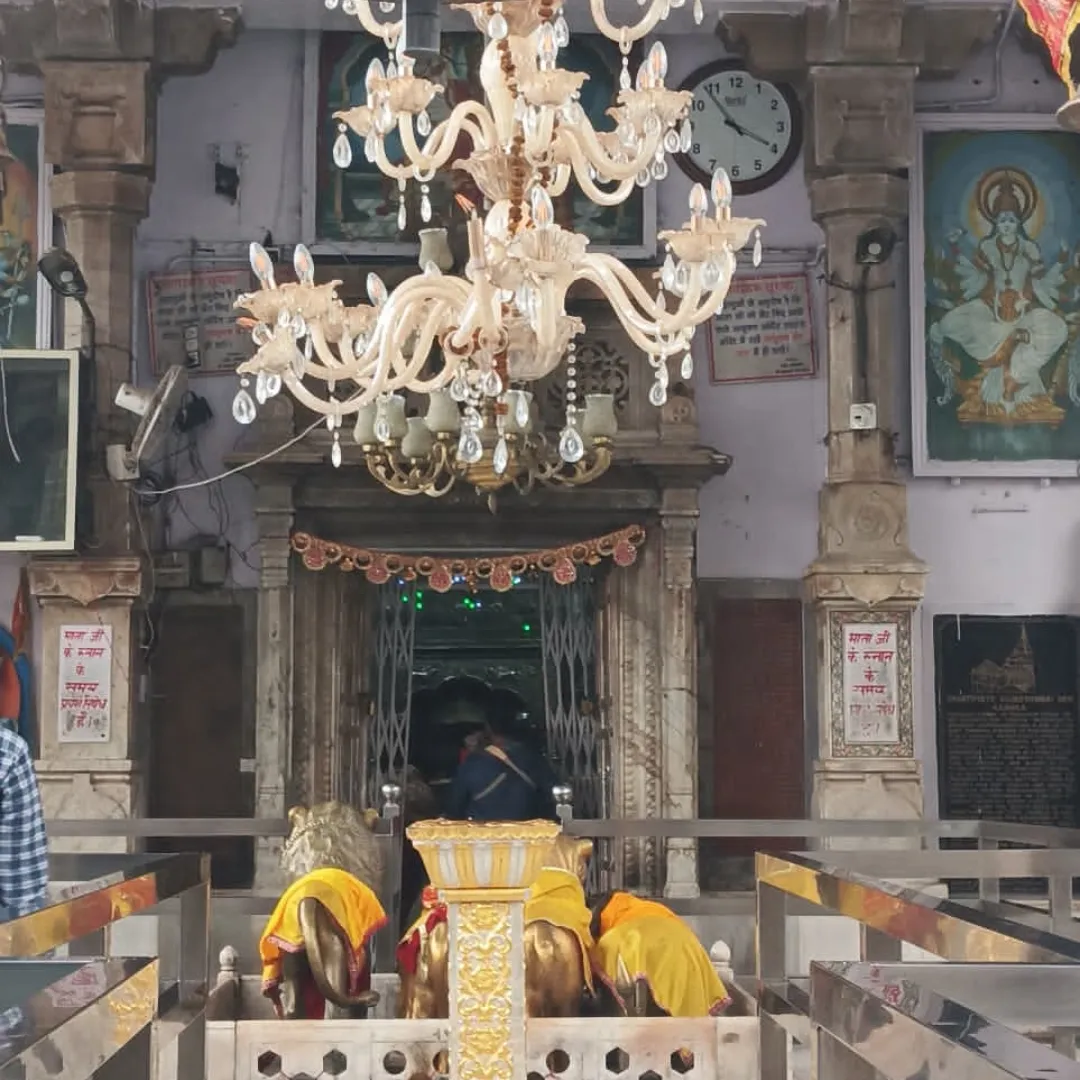
The temple’s history is as remarkable as its spiritual significance. It has faced repeated destruction due to earthquakes and invasions, most notably during the Mughal era and the devastating Kangra earthquake of 1905. Yet, each time, it was rebuilt with unwavering devotion and faith.
Beyond its religious importance, the Mata Bajreshwari Temple is deeply woven into the cultural identity of Kangra. Locals regard the Goddess as the guardian deity of the region, believing she protects the valley from calamities and blesses it with prosperity. A visit to this sacred shrine is not merely a ritual; it is a spiritual journey that connects devotees to centuries of faith, history, and the unshakable power of the Divine Mother.

Have something to say?
Share your ideas, stories, or opinions with other students.