

Monuments We Visit, Science We Miss in Ancient Indian Architecture
How India’s ancient monuments reveal advanced science, engineering, and knowledge we often overlook today
When we talk about science today, we often believe that modern technology represents the highest form of knowledge humans have ever achieved. But when we look at ancient India, this belief starts to feel incomplete. Many ancient Indian structures and techniques still leave modern scientists puzzled. They were created without machines, computers, or advanced laboratories, yet they continue to surprise us even today.
Ancient science in India was not about speed or mass production. It was about deep understanding, patience, and working in harmony with nature.
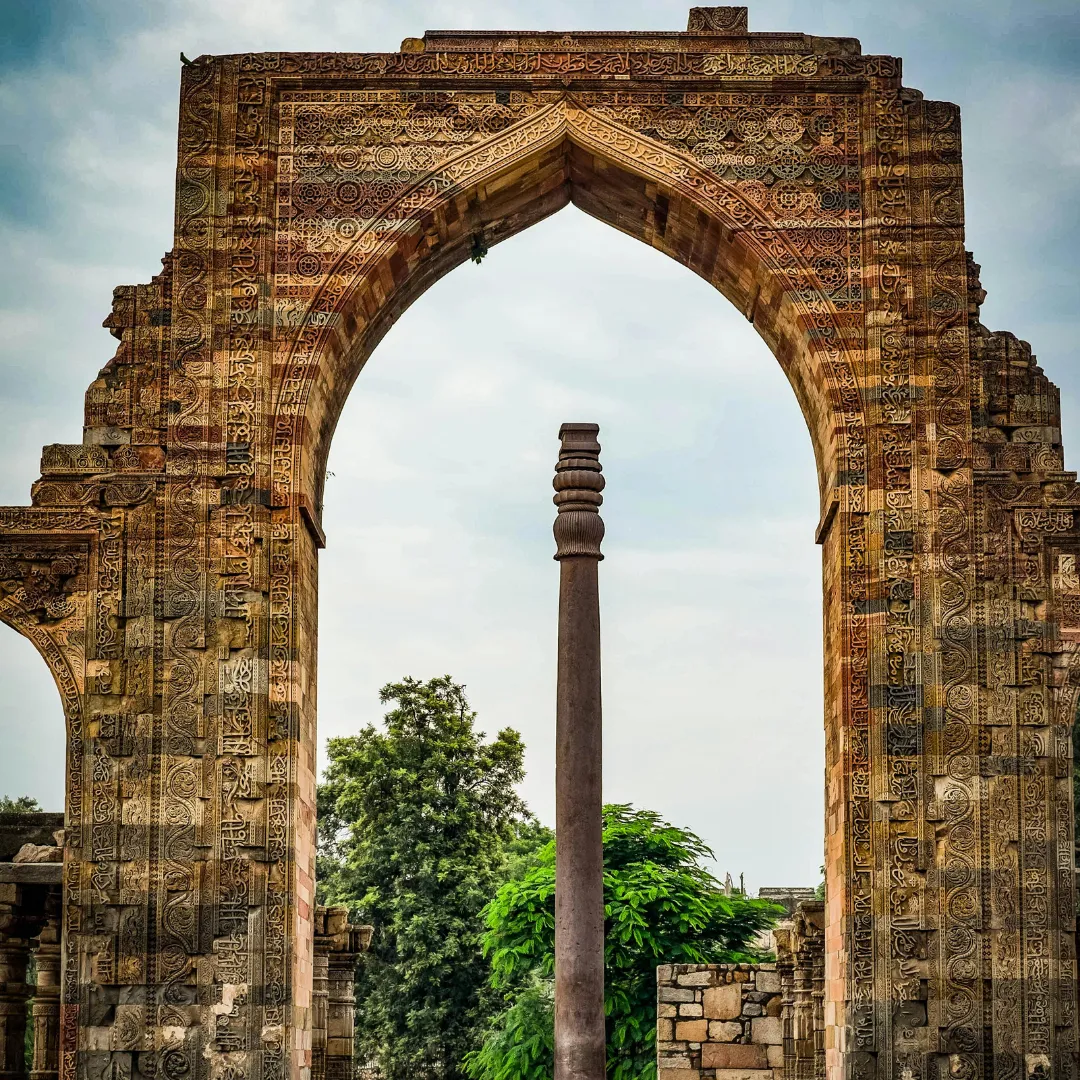
The Iron Pillar of Delhi: Iron That Refused to Rust
Near the Qutub Minar stands a massive iron pillar that is more than 1,600 years old. What makes it remarkable is that it has not rusted, even after centuries of exposure to rain and air. Modern science relies on paints and chemicals to protect iron, but this pillar has none. Scientists believe ancient Indians used a unique iron-making technique, but the exact method is still unknown. This highlights how advanced ancient Indian metallurgy truly was.
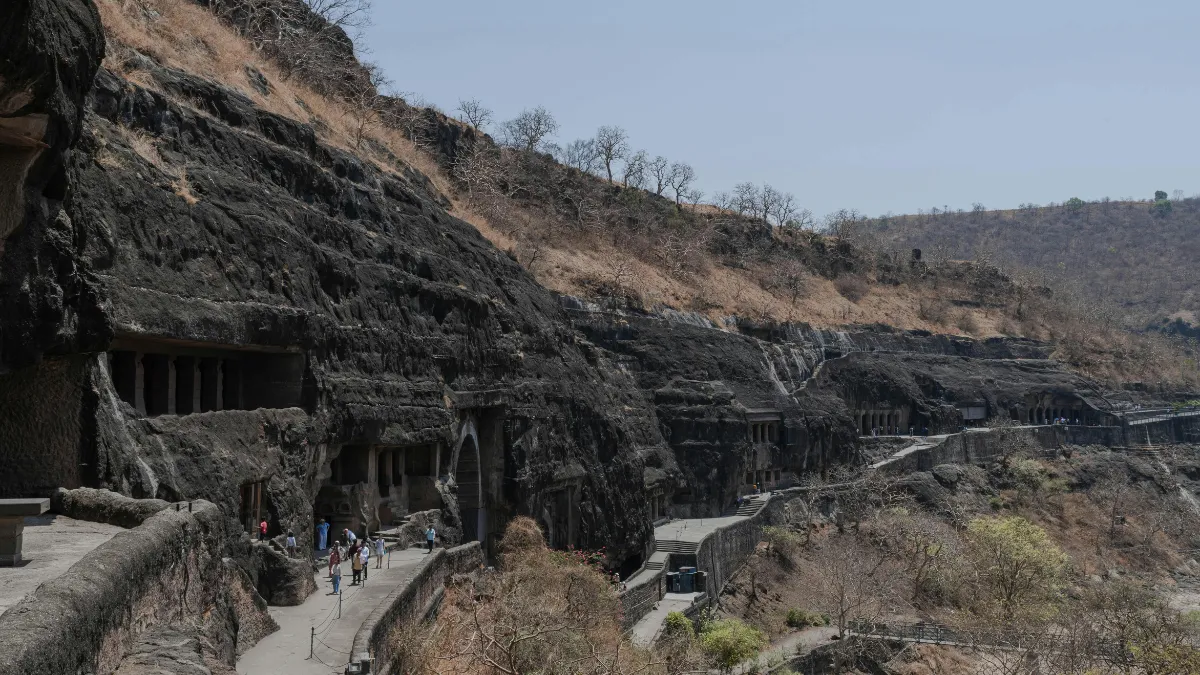
Ajanta and Ellora Caves: Sculpted, Not Built
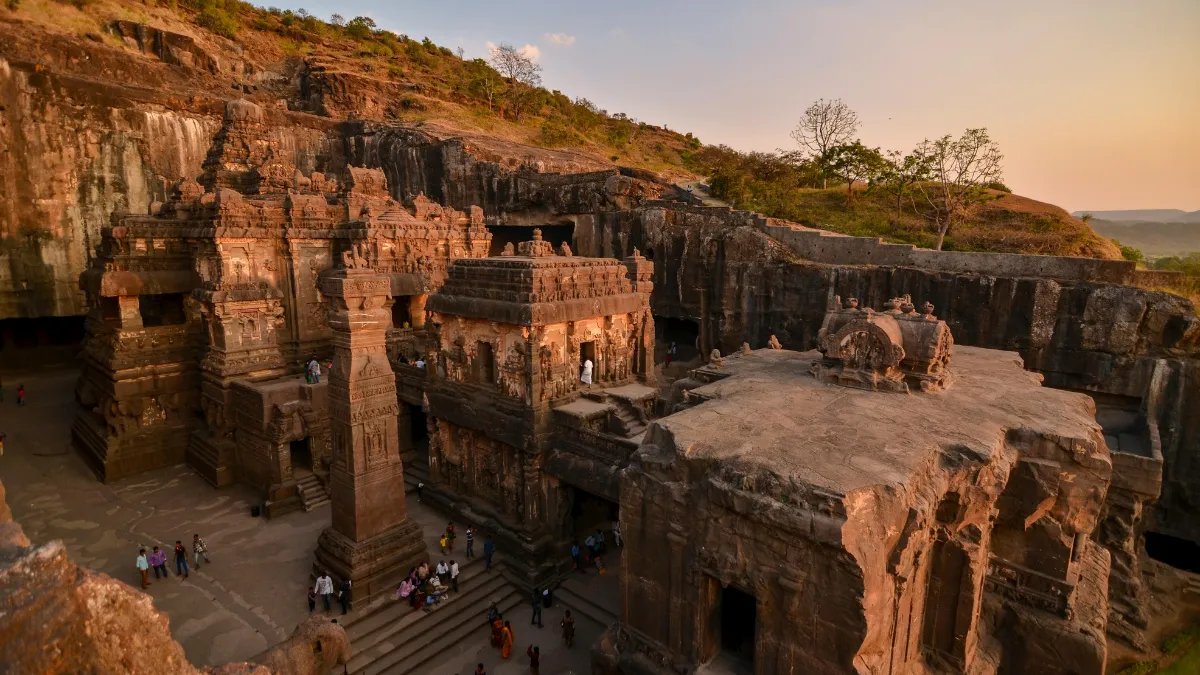
The Ajanta and Ellora caves were not constructed by stacking stones. They were carved entirely out of solid rock. Imagine removing thousands of tons of stone using simple tools, without making mistakes. The caves are perfectly balanced, richly detailed, and still standing strong. Even today, such work would require heavy machinery and advanced planning software.
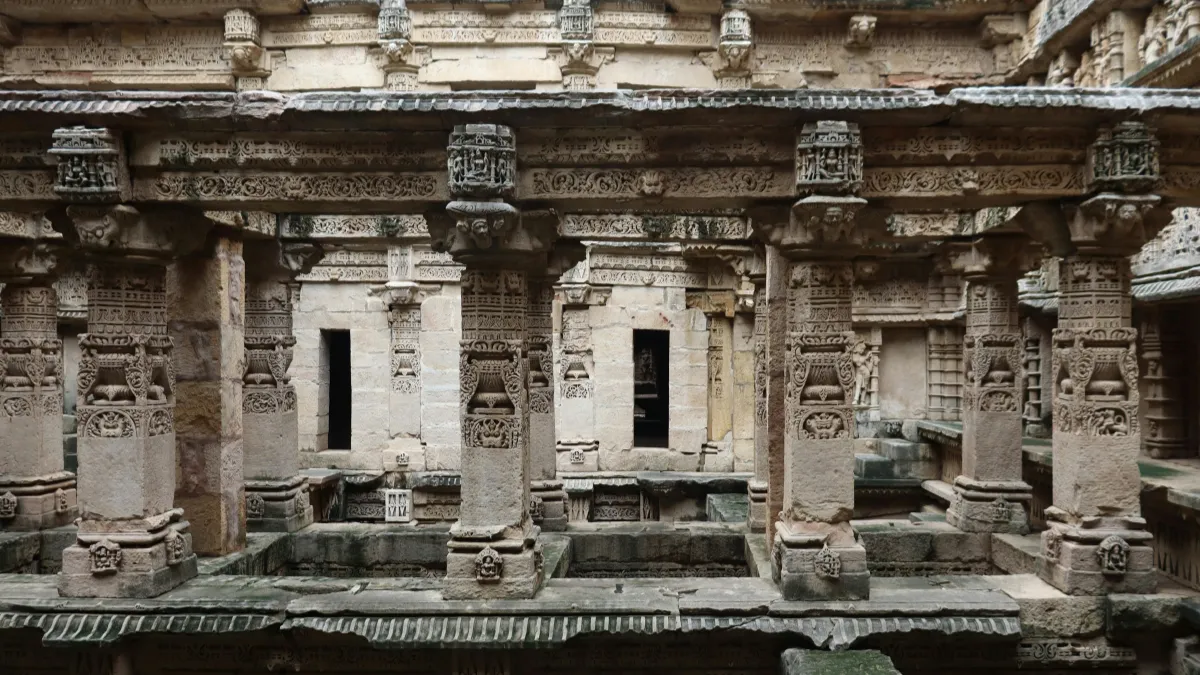
Stepwells: Engineering That Understood Water
Ancient India had stepwells like Rani ki Vav in Gujarat. These were not just water storage structures but intelligent systems designed to survive droughts. The steps helped control water levels, kept temperatures cool, and allowed people to access water throughout the year. Modern cities still struggle with water management, while these stepwells functioned naturally for centuries.
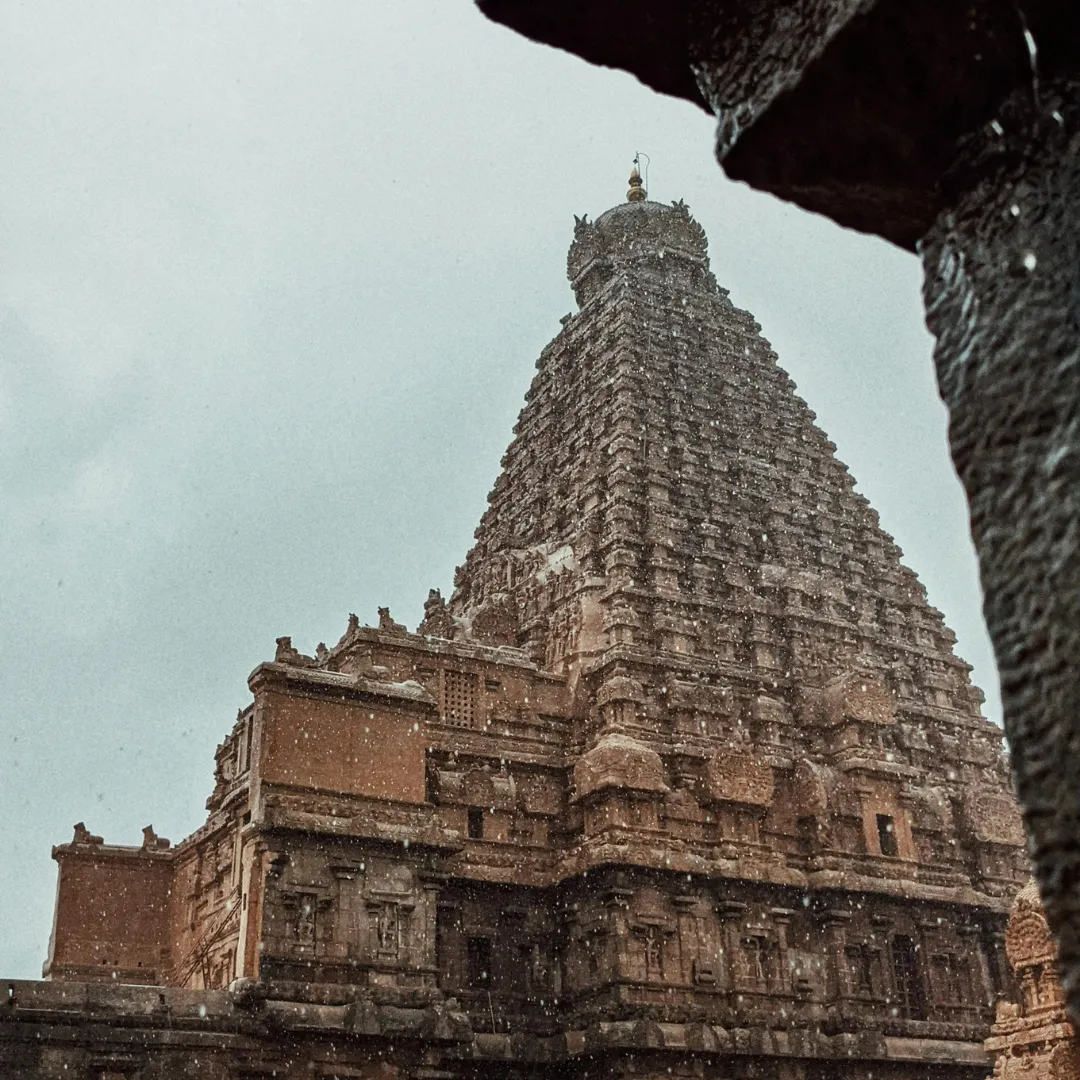
Ancient Temples: Science Hidden in Stone
Temples such as the Brihadeeswara Temple in Tamil Nadu were built using massive stones, some weighing several tons. The main tower was constructed without modern cranes, yet it remains perfectly aligned even today. These temples also follow precise astronomical and geometric principles, reflecting a deep understanding of physics and mathematics.
Sushruta and Ancient Surgery
Sushruta, an ancient Indian surgeon, described complex procedures such as plastic surgery and cataract operations thousands of years ago. He also documented surgical tools and emphasized hygiene and patient care. Many of his methods are still relevant in modern medicine, proving that ancient Indian medical science was far ahead of its time.
What We Often ‘Brush Off’
What we often brush off is the real story behind these monuments. When we visit temples, caves, or pillars, we admire their beauty, take pictures, and move on. Rarely do we pause to think about how they were made, who made them, and what kind of scientific knowledge existed at the time.
We forget the artisans who worked for years with simple tools, the thinkers who understood materials, gravity, water, and time without modern machines, and the scientific knowledge passed down through generations. These monuments are not just tourist attractions; they are silent textbooks of ancient science and human effort.
By ignoring their stories, we slowly disconnect from the wisdom of earlier times. Perhaps the real loss is not that modern science cannot fully recreate these wonders, but that we no longer try to understand them deeply.

Have something to say?
Share your ideas, stories, or opinions with other students.