

The Impact of Cultural Backgrounds on Student Learning and Success
Explore how culture shapes student behavior, motivation, and success in modern classrooms
Every student comes from a different background, which influences how they learn, interact, and succeed in school. Culture plays a major role in shaping these experiences. It includes the values, traditions, and beliefs we grow up with, all of which shape our attitudes toward education.

For example, families often have different expectations when it comes to learning. In some households, there's a strong emphasis on excelling in subjects like Math, Science, or English. In others, parents may place more value on hobbies, sports, or creative pursuits. These differences can significantly influence how students feel about school. Some may feel pressured, while others might feel more relaxed and freer to explore their interests.
I remember a friend from a small village in Rajasthan. His family expected him to top every subject, and when he didn’t, he felt like he had let them down. He studied late into the night, often giving up sleep and leisure to meet their expectations. Over time, this constant pressure made him anxious and disconnected from his studies.

On the other hand, I had a friend from a big city whose parents encouraged him to explore whatever interested him, whether it was drawing, coding, or debating. He didn’t stress over getting perfect marks. Instead, he focused on exploring new interests and maintaining a balance between academics and hobbies. As a result, he found joy in learning and stayed both curious and motivated.
Culture also affects how students behave in class. Some students feel comfortable participating in class, while others may be shy or hesitant to question teachers. And that’s okay. If you come from a culture where respecting authority means not challenging it, it can feel uncomfortable to speak out even in a classroom. In contrast, many international or progressive schools encourage students to ask questions, share opinions, and engage actively.
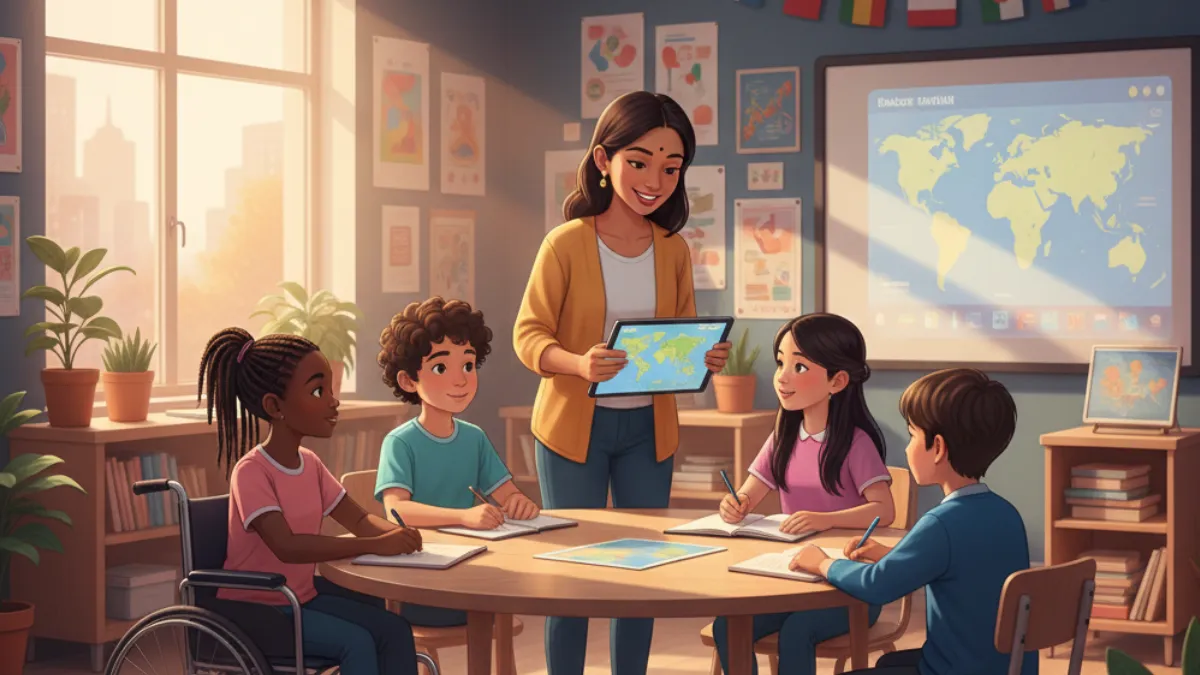
The way we learn can also vary by culture. Some educational systems value memorization and learning information by heart, while others focus on comprehension, analysis, and critical thinking. If you're used to memorizing exams, it might take time to adjust to a system that expects classroom discussions or project-based learning. But the key to success is being adaptable and open-minded.

Schools play an important role in helping students from diverse backgrounds succeed. Teachers can support this by using methods that respect different learning styles. For example, students from rural areas may struggle with classroom technology if they lack reliable internet or access to laptops at home. In such cases, schools should provide additional support, like offline study materials or one-on-one help, to ensure that no student is left behind.

The key takeaway is that no matter where we come from, it’s important to respect each other's cultural backgrounds and be patient with differences. When schools recognize that each student is unique, they can create an environment where everyone has the chance to shine. Whether you come from a small town or a big city, whether you love learning from books or prefer experimenting in labs, the goal is the same: to enjoy the process of learning and grow in your own way.
Remember, your background is part of what makes you unique and special, so embrace it. Success isn’t about competing with others but about understanding yourself and doing your best in everything you do. Keep learning, stay curious, and always take pride in your roots.
Have something to say?
Share your ideas, stories, or opinions with other students.