

Kalki Temple in Sambhal, Uttar Pradesh: Prophecy of Lord Vishnu's Final Avatar
Discover the hidden Kalki Temple in Sambhal, believed to be the future birthplace of Lord Vishnu’s final avatar. Explore ancient prophecy, faith, and spiritual history
In Hindu belief, whenever righteousness declines and evil rises beyond control, Lord Vishnu takes birth on Earth to restore balance. A powerful line often reflected in scriptures and stories is “जब-जब धर्म पर संकट आया है, तब-तब अधर्म के विनाश के लिए भगवान विष्णु ने अवतार लिया है।” This truth is seen in the lives of Lord Rama and Lord Krishna, who defeated powerful forces of evil and reestablished Dharma. According to the Puranas, a similar moment will come again in the future at the end of Kali Yuga, when Vishnu will incarnate as Kalki.
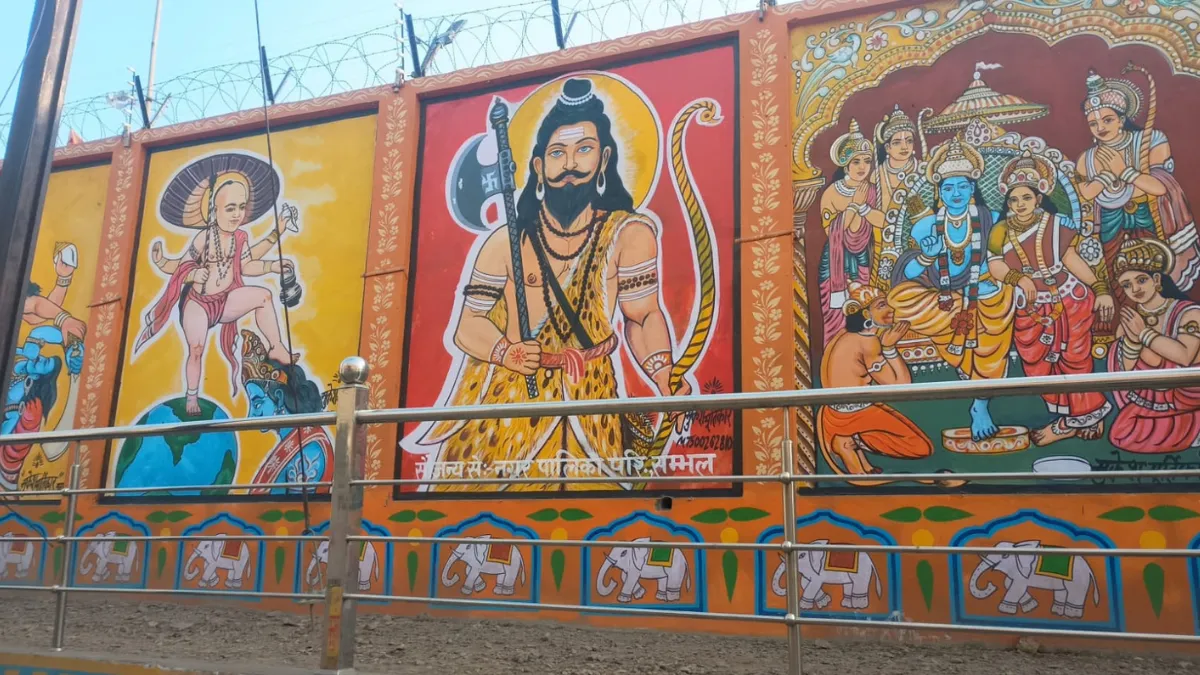
Depiction of Parashurama, the sixth avatar of Lord Vishnu, standing with a battle axe in hand, wearing traditional warrior attire, with a serene yet powerful expression. He is shown in a forested or ancient battlefield setting, symbolizing his role in protecting dharma and punishing corrupt rulers
Kali Yuga is described as the age of darkness, moral decline, and spiritual weakness. Truth becomes rare, greed increases, and injustice spreads across society. Scriptures personify this corruption as a destructive force called Kali. When the influence of Kali becomes unbearable and Dharma nearly disappears from the world, Vishnu is destined to take his final avatar, Kalki, to destroy evil and begin a new age of truth.
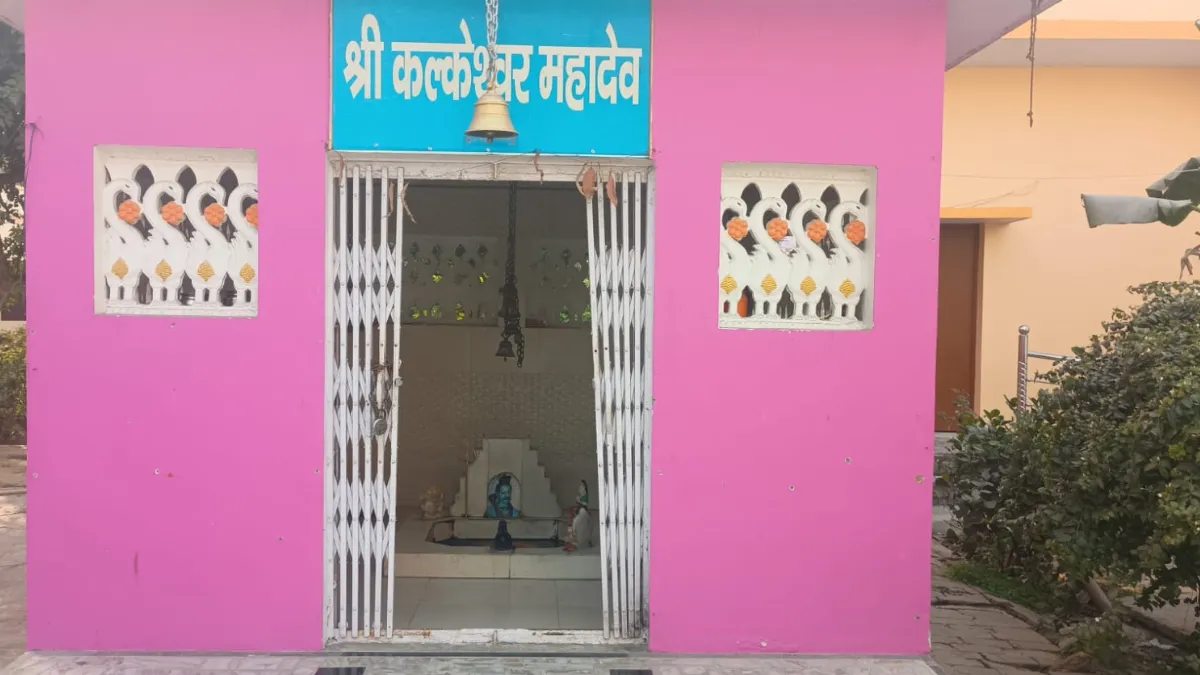
Temple of Shri Kaleshwar, a form of Lord Shiva worshipped in Himachal Pradesh, showing the deity adorned with traditional ornaments and sacred markings, seated in a temple sanctum with lamps and flowers, symbolizing divine protection and spiritual power
What makes the story of Kalki unique is that it is connected not only to prophecy but also to a real place in India. According to the Vishnu Purana and Kalki Purana, Kalki will be born in the Sambhal district of Uttar Pradesh in a Brahmin family. His father’s name, it is said, will be Vishnuyasha and his mother’s name Sumati. Unlike other avatars whose birthplaces are remembered from the past, Sambhal is revered as the future birthplace of a divine incarnation.
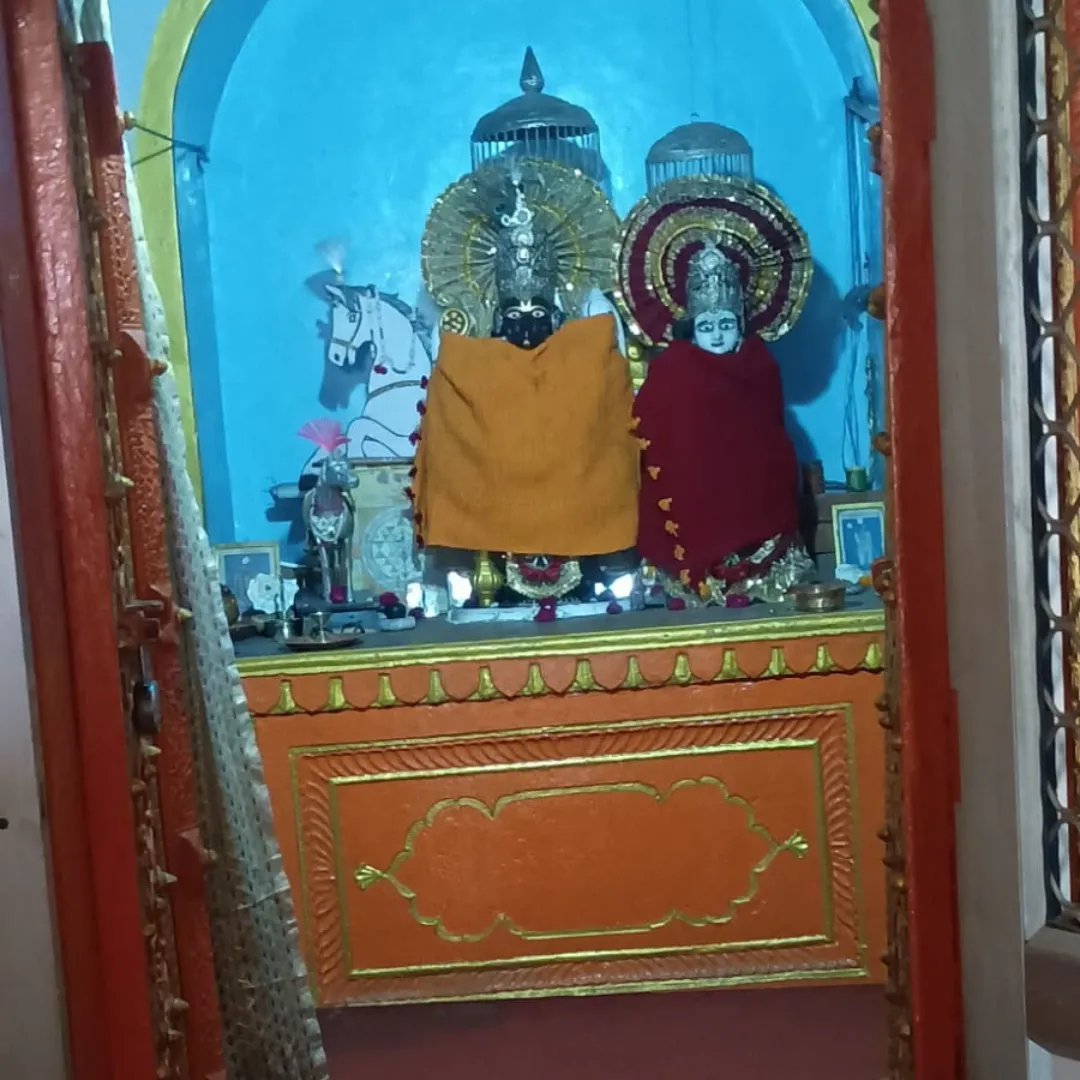
Interior of a Hindu temple showing the sanctum with a deity’s idol adorned with garlands, flowers, and lamps. The walls feature intricate carvings and paintings of mythological scenes, while devotees pray on the floor. Soft light from oil lamps and incense smoke creates a sacred and serene atmosphere
In Sambhal, there already exists a temple dedicated to Lord Kalki which holds deep spiritual and symbolic importance. This temple is not built to remember a past event but to express faith in a future one. Devotees believe that this sacred land will one day witness the birth of the warrior avatar who will end the rule of Kali and restore Dharma.
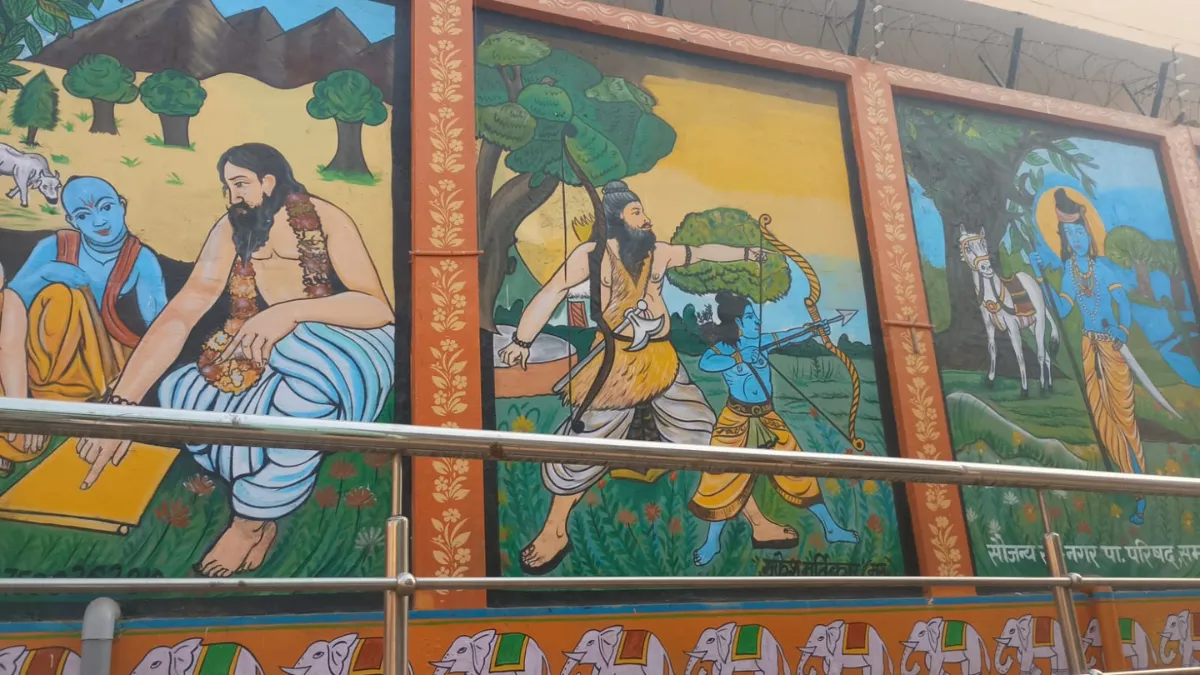
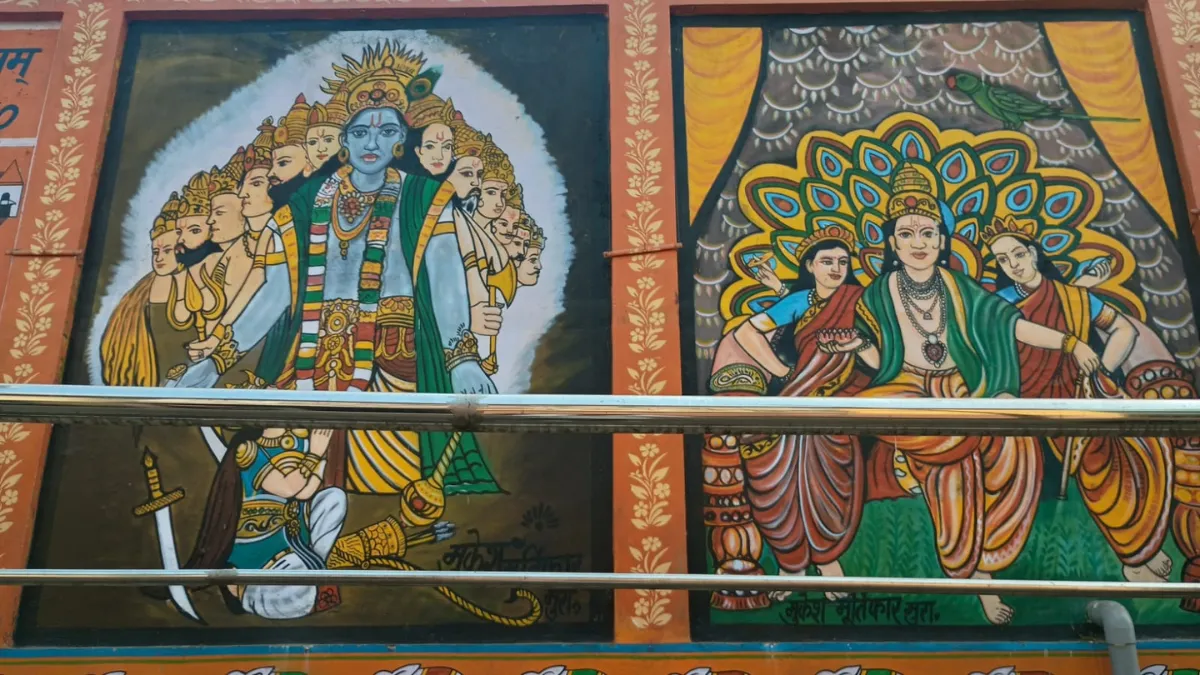
Depiction of the Dashavatara, showing the ten avatars of Lord Vishnu in traditional Indian art
Inside the temple, the idol of Lord Kalki is worshipped along with Mata Padmavati, who is believed to be his divine consort. In mythology, Padmavati represents purity, devotion, and divine feminine strength that supports the mission of Kalki. Her presence beside Kalki in the temple symbolizes that the restoration of Dharma requires both power and compassion, strength and grace.
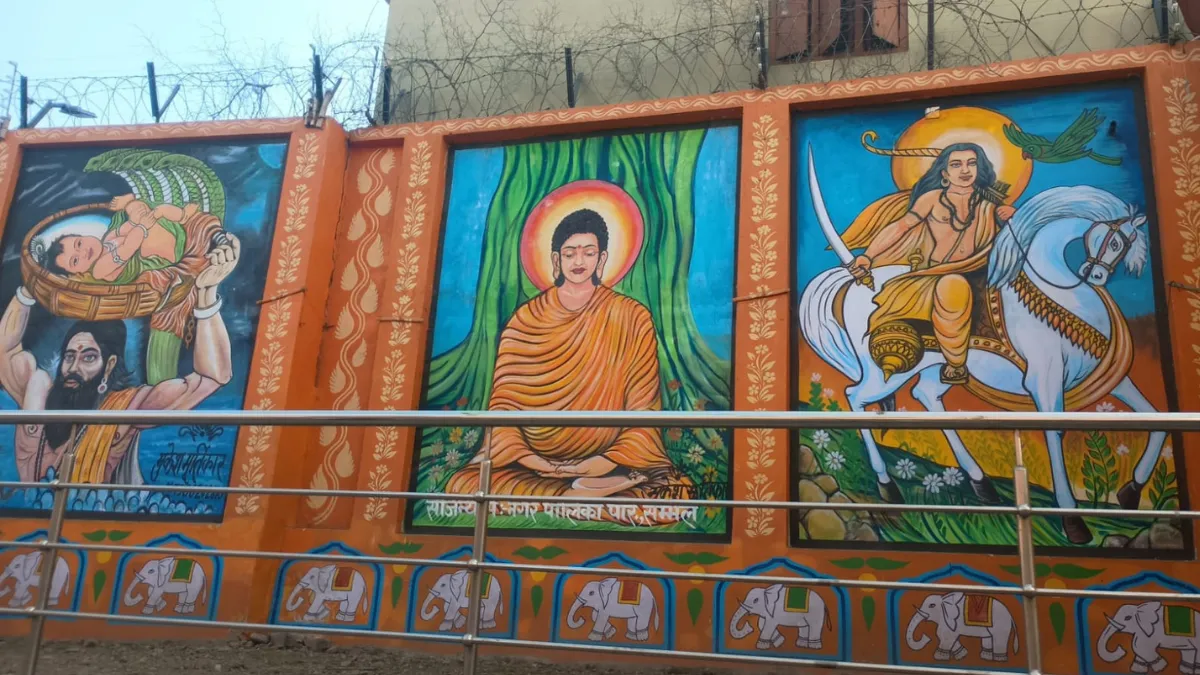
Depiction of Lord Buddha as the ninth incarnation of Vishnu, symbolizing compassion, non-violence, and spiritual guidance in the Dvapara Yuga
Kalki is described in scriptures as a radiant warrior riding a white horse and carrying a blazing sword. The white horse symbolizes purity and divine speed, while the sword represents the destruction of ignorance and evil. His purpose will be to defeat the dark force of Kali and cleanse the world of corruption, injustice, and suffering.
The temple in Sambhal is also connected through local tradition to the Holkar dynasty of Malwa, particularly the great queen Ahilyabai Holkar, who is well known for building and restoring many sacred temples across India. It is believed that her lineage contributed to the preservation or development of this holy site, showing how deeply respected the prophecy of Kalki has been for centuries.
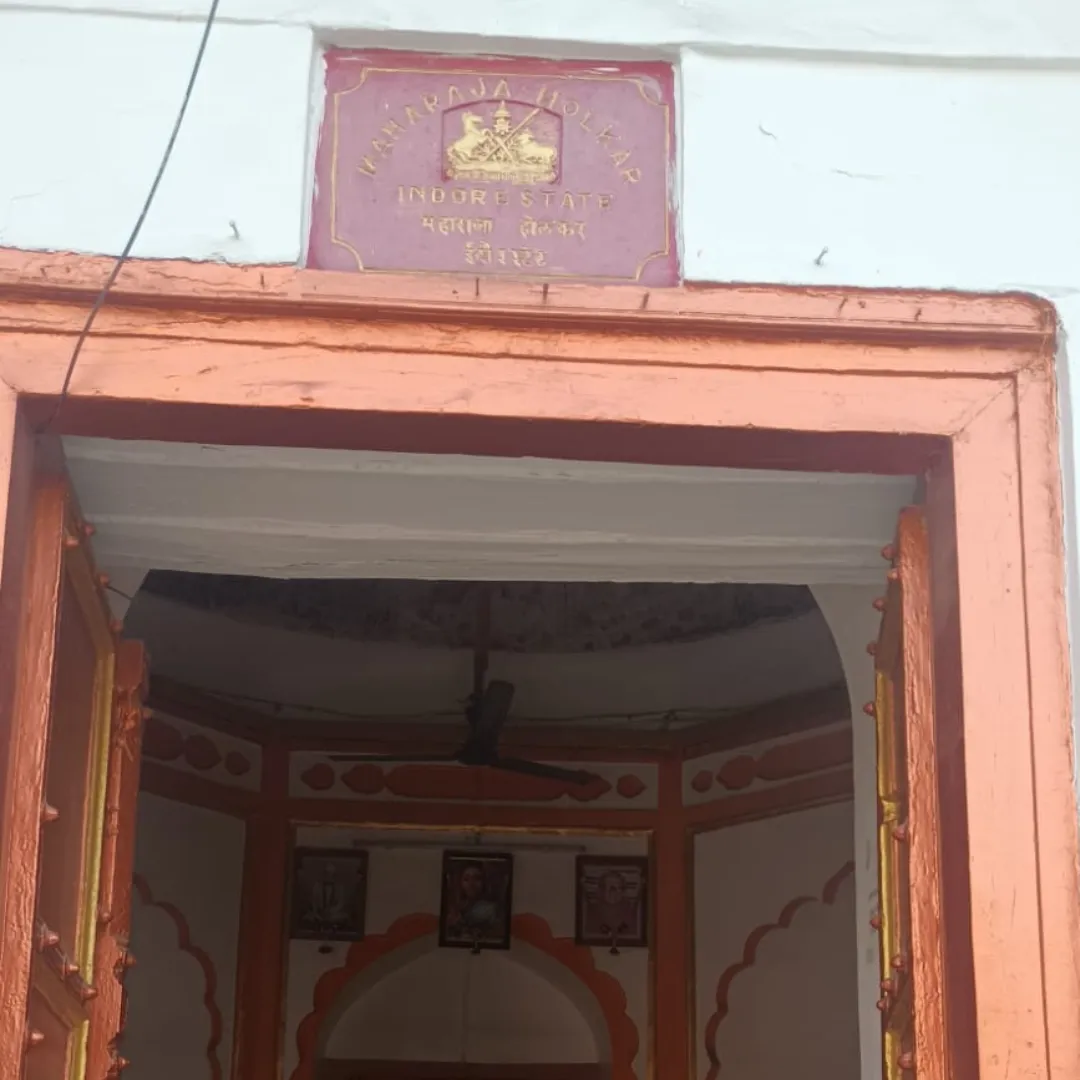
Exterior view of the main entrance gate of an ancient temple associated with Ahilyabai Holkar, featuring carved stone architecture
Despite its powerful spiritual importance, the Kalki temple remains quiet and less crowded than many other pilgrimage places. During my visit, I asked the priest why very few people visited the temple. He gently replied, “जहाँ लोग नहीं आते, वहाँ भगवान आते हैं।” This means that where people do not come, God visits.
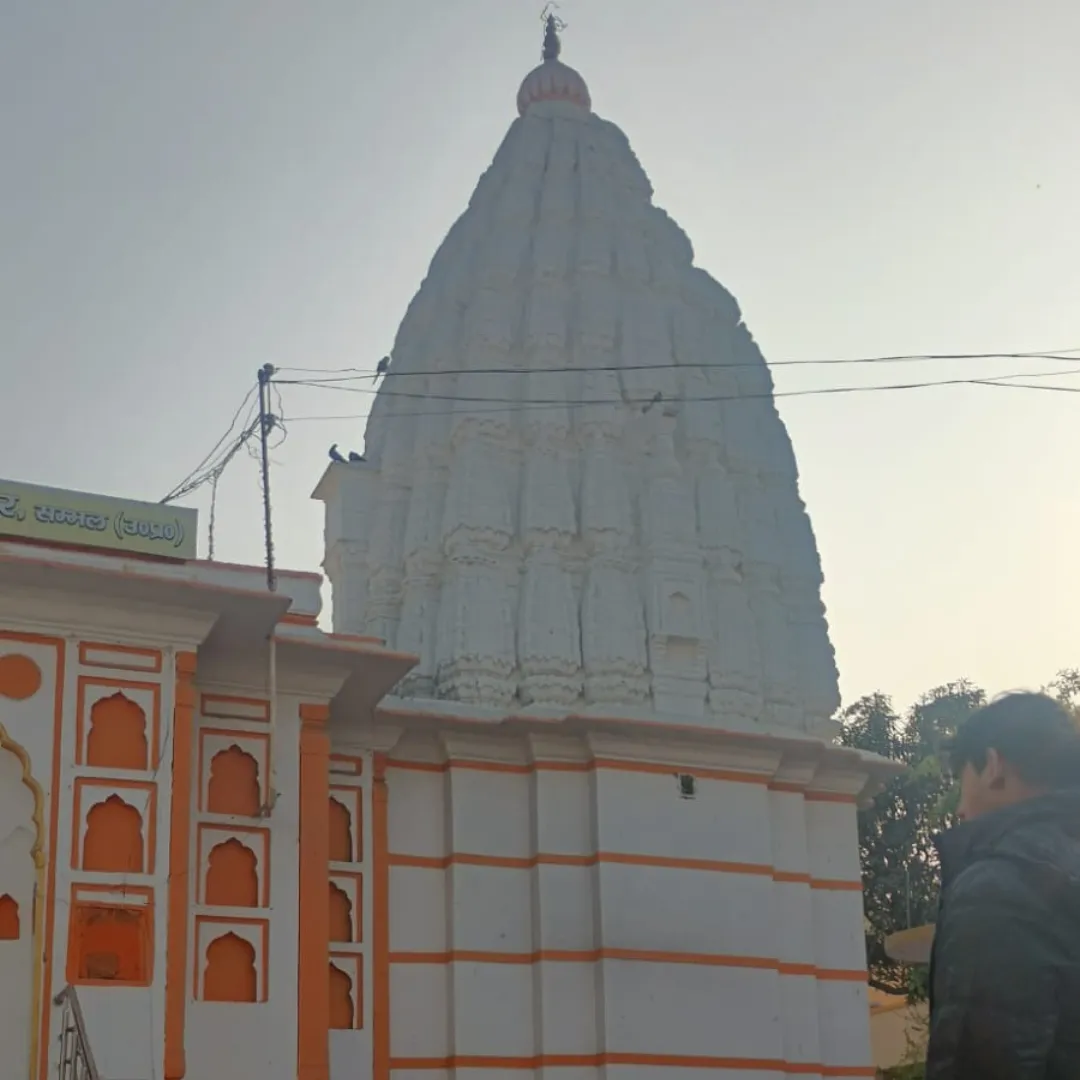
Ancient temple architecture of the Kalki Vishnu Temple in Sambhal
His words beautifully capture the spirit of the temple. It stands in silence, not as a monument of the past, but as a promise for the future. The temple of Kalki in Sambhal represents hope and the belief that no matter how dark the world becomes, Dharma will rise again, and when the time comes and Vishnu will return as Kalki to bring a new beginning.

Have something to say?
Share your ideas, stories, or opinions with other students.