
Delhi Pollution: Artificial Rain Plan, School Safety Measures Ahead of Diwali 2026
Delhi's AQI reaches 367 as pollution worsens ahead of Diwali. The government considers artificial rain while schools plan safety measures.
As air pollution rises in Delhi ahead of Diwali and Chhath Puja, the Delhi government and educational institutions are planning precautionary measures. The government is considering cloud seeding to create artificial rain if pollution levels keep rising; meanwhile, schools plan to postpone outdoor activities after Diwali, install air purifiers, and advise students to wear masks.
Delhi's Air Quality Index (AQI) stood at 367 on November 5, which is in the 'very poor' category.
Jahangirpuri recorded the highest AQI at 459, followed by IIT Delhi and Punjabi Bagh at 445 each.
PM2.5 emerged as the dominant pollutant, while dense haze reduced visibility and sunlight across the city.
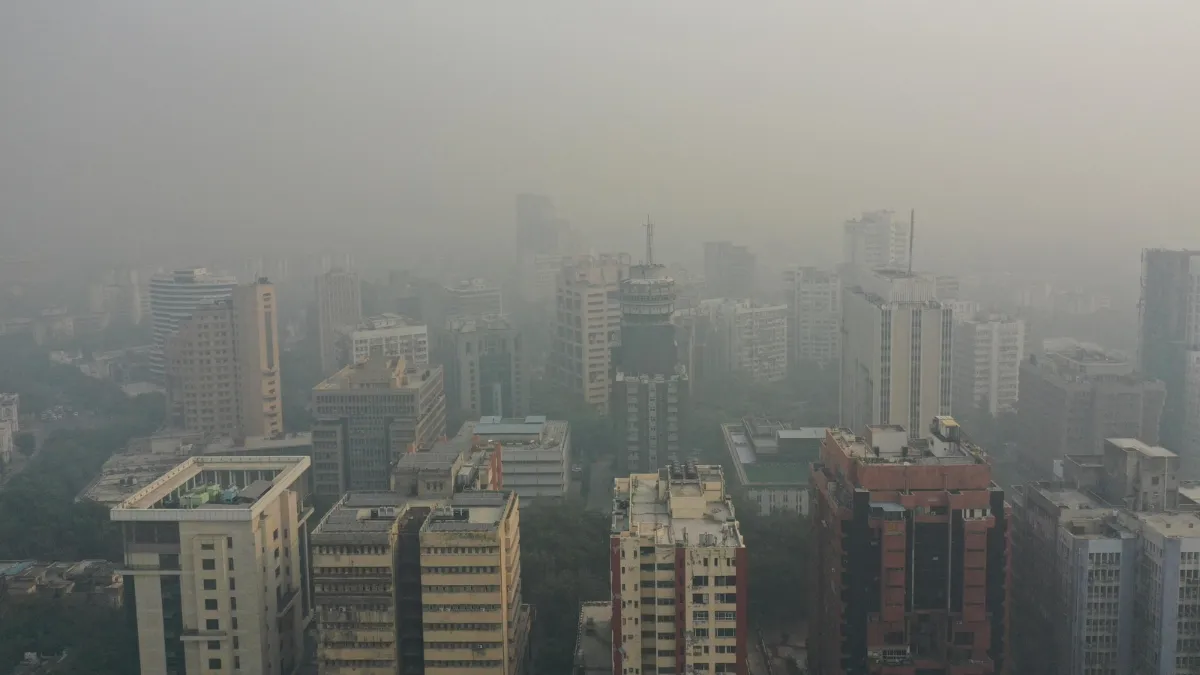
Delhi's skyline shrouded in dense smog, highlighting the city's severe air pollution. (Image Credit: Google)
Government Considers Artificial Rain
According to media reports, the Delhi government is thinking of inducing artificial rain if pollution worsens after Diwali and Chhath Puja. Two cloud-seeding trials have reportedly been conducted in the preceding 15 days, including one near Delhi Airport.
The trials were reportedly carried out at an altitude of approximately 30,000 metres, compared with around 10,000 metres last year.
Cloud seeding involves adding substances like silver iodide or dry ice to suitable clouds to encourage rainfall. The rain may help wash away some air pollutants, but this method works only when weather conditions are favourable.
Delhi Schools Step Up Precautionary Measures
Private schools across Delhi are also planning to restrict sports and other outdoor activities after Diwali until air quality improves. It includes installing classroom air purifiers, placing snake plants indoors, and advising students to wear masks when going outside.
Schools will also focus on awareness initiatives to educate students about the harmful effects of air pollution. Directorate of Education (DoE) of Delhi, has also directed govt. and private schools to organise special assemblies on 5 and 6 November to sensitise children against burning crackers.
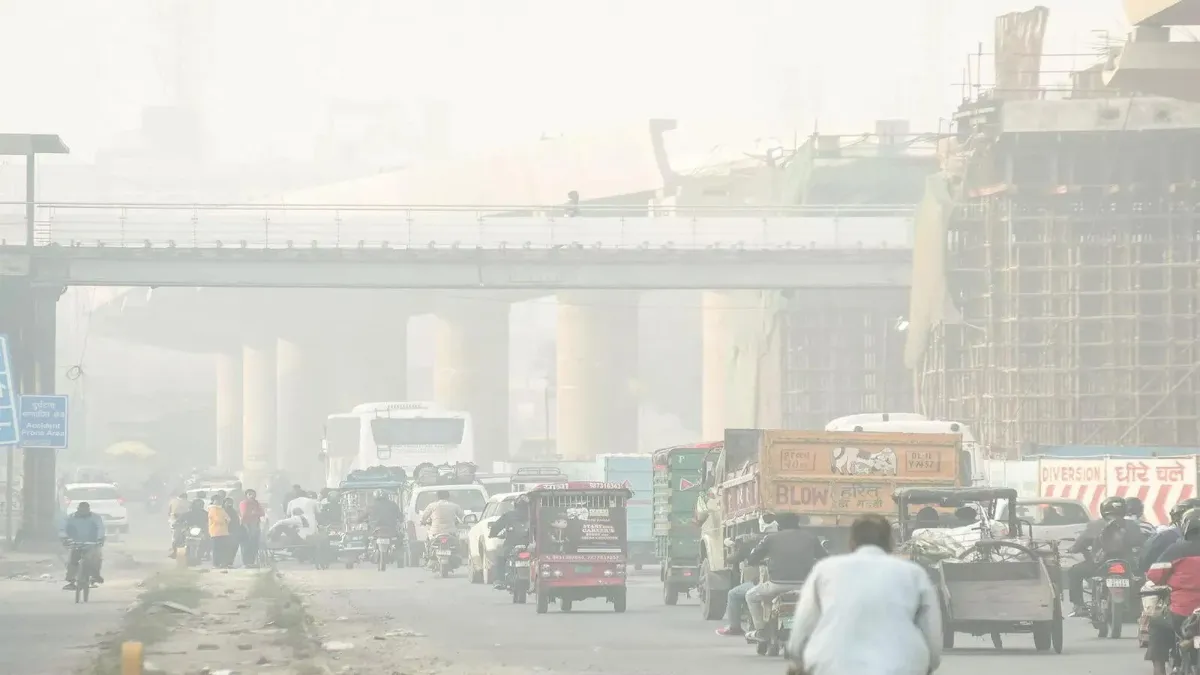
Delhi residents and daily commuters navigate busy streets amid thick smog and hazy conditions. (Image Credit: Google)
Delhi Schools Anti-Firecracker Awareness Campaigns
Schools have been asked to encourage students to opt for safe options like earthen lamps, candles and electric decorative lights. Students are also advised to be aware that fireworks are prohibited within 300 metres of hospitals, nursing homes, primary and district health centres, old-age homes and notified silence zones.
Poster making, slogan writing, essay writing, drawing and debate competitions will also be organised to spread environmental awareness. All district deputy directors of education will submit reports by November 9, along with 10 time-stamped photographs and five videos documenting implementation.
As Delhi approaches Diwali and Chhath Puja, protecting public health remains the immediate priority. However, lasting improvement will depend on controlling pollution at its source through strong regulations, clean transportation, and coordinated action across Delhi-NCR.
The challenge is not merely to bring down the AQI temporarily but to ensure that residents can breathe clean air throughout the year.