
17 Government Engineering Colleges in Karnataka to Adopt Outcome-Based Learning
Karnataka plans outcome-based learning in 17 government engineering colleges to improve student employability, practical skills, and industry readiness.
The Karnataka Higher Education Department has formed an expert committee to introduce an outcome-based student development model in 17 government engineering colleges. This initiative aims to improve overall development and employability of students, promote practical learning, and align engineering education with industry requirements.
The move comes as 1,402 of the 4,704 seats in these colleges remained vacant this year, accounting for around 29.8% of the total seats.
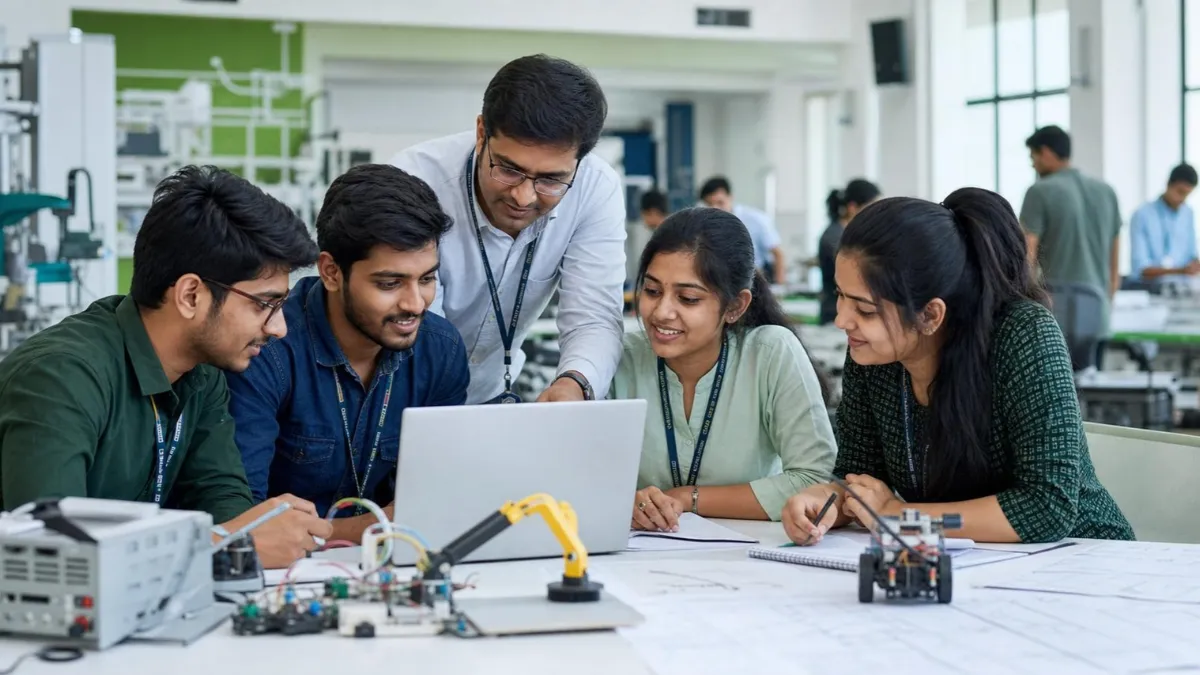
An engineering faculty member mentoring students as they work collaboratively on a practical project in a college laboratory, promoting hands-on learning, skill development, and industry-relevant competencies. Image Credit: Google
Key Responsibilities of Committee
- Develop a learning structure that builds students’ skills through projects, industry exposure, teamwork and leadership activities.
- Maintain digital student profiles to track achievements, progress and areas for improvement.
- Set standard procedures for academic, administrative and student development activities.
- Prepare personalised career plans for students and introduce a central online portal to monitor progress, simplify administrative work and track targets and deadlines.
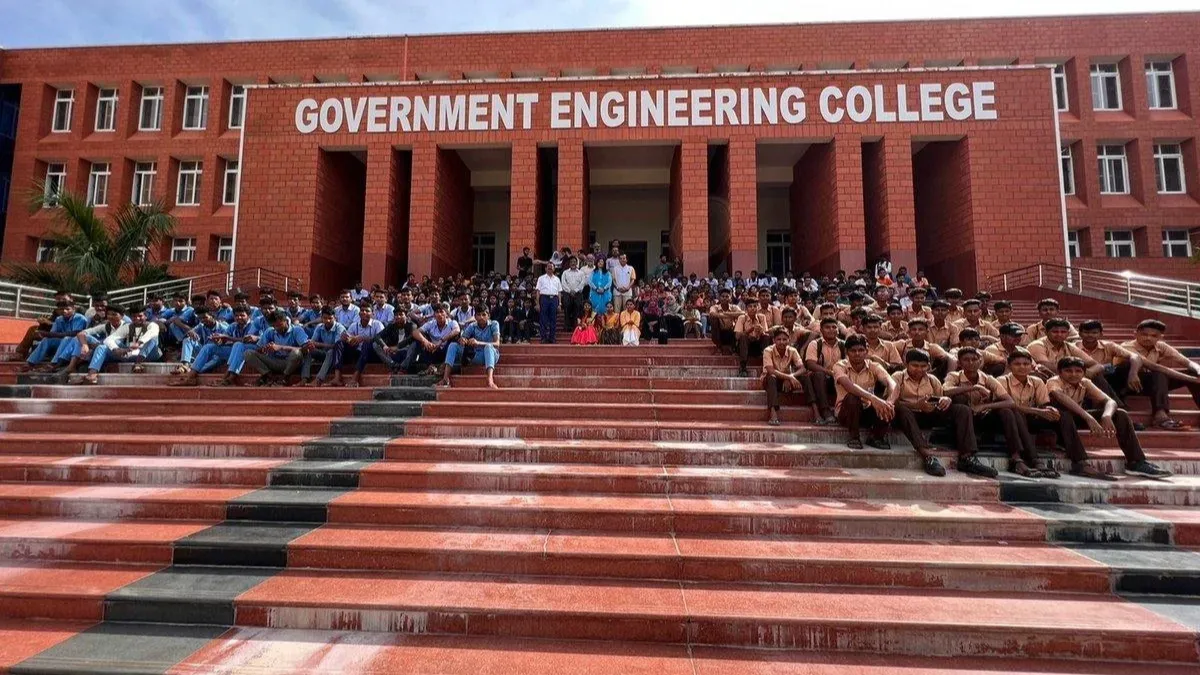
Campus of a government engineering college in Karnataka, representing the state's initiative to improve engineering education through outcome-based learning, practical skills, and industry-oriented student development. Image Credit: Google
The proposed model aims to shift engineering education from traditional exams to skill-based learning. Students will get more practical experience, develop industry-relevant skills, and showcase their abilities through projects and portfolios.
The initiative aims to make engineering education more practical and career-focused. Its success will depend on proper implementation, faculty training, industry support, and improvements in students' learning and employment opportunities.