
The Right to Education Act: Building an Educated India
Learn about the Right to Education (RTE) Act in India, its key features, benefits, challenges, and role in providing free education to every child
Education is one of the most important tools for building a successful future. In India, every child has the right to receive education, regardless of their background, gender, or financial condition. To make this possible, the Indian government introduced the Right to Education (RTE) Act in 2009.
The Right to Education Act, officially known as the RTE Act, came into effect on 1 April 2010. It made education a fundamental right for children aged 6 to 14 under Article 21A of the Indian Constitution. This means that every child in this age group must receive free and compulsory education.
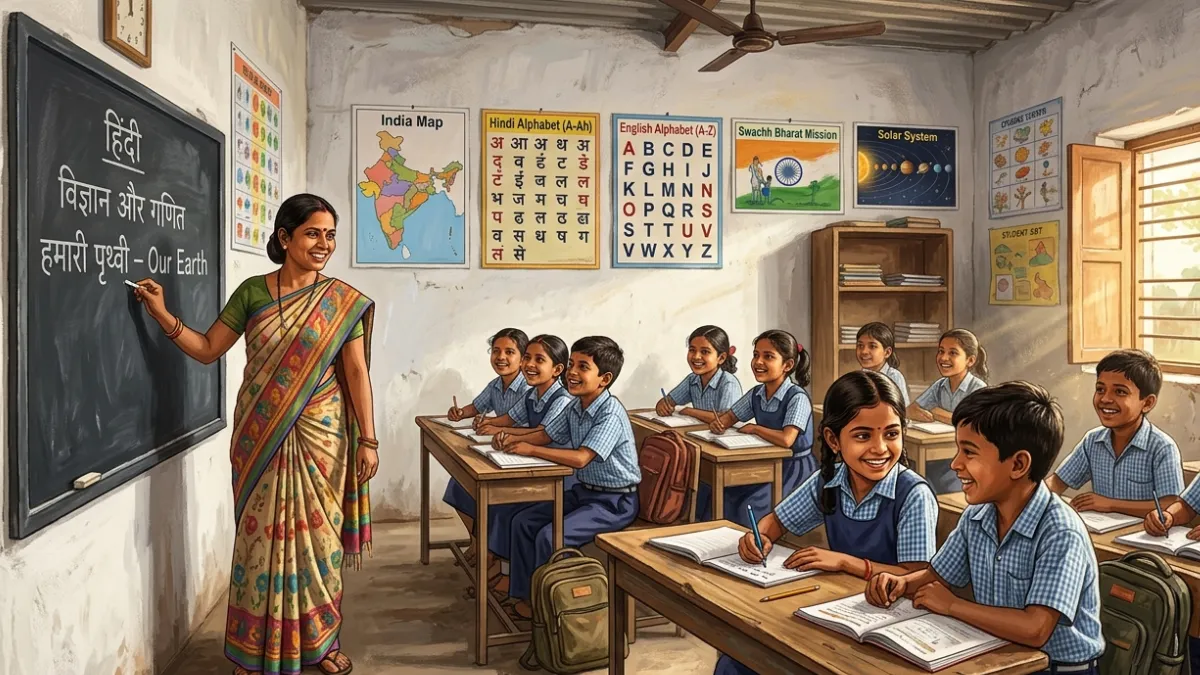
Indian government school classroom with children in uniform, female teacher teaching at blackboard
The main goal of the RTE Act is to ensure that no child is denied schooling because of poverty or social differences. Under this law, government schools provide free education, textbooks, uniforms, and basic facilities to students. Private schools are also required to reserve 25% of seats for children from economically weaker sections of society.
The Act focuses not only on admission but also on the quality of education. Schools must have proper classrooms, clean drinking water, toilets, playgrounds, and qualified teachers. The law also discourages discrimination and physical punishment in schools, creating a safer learning environment for students.
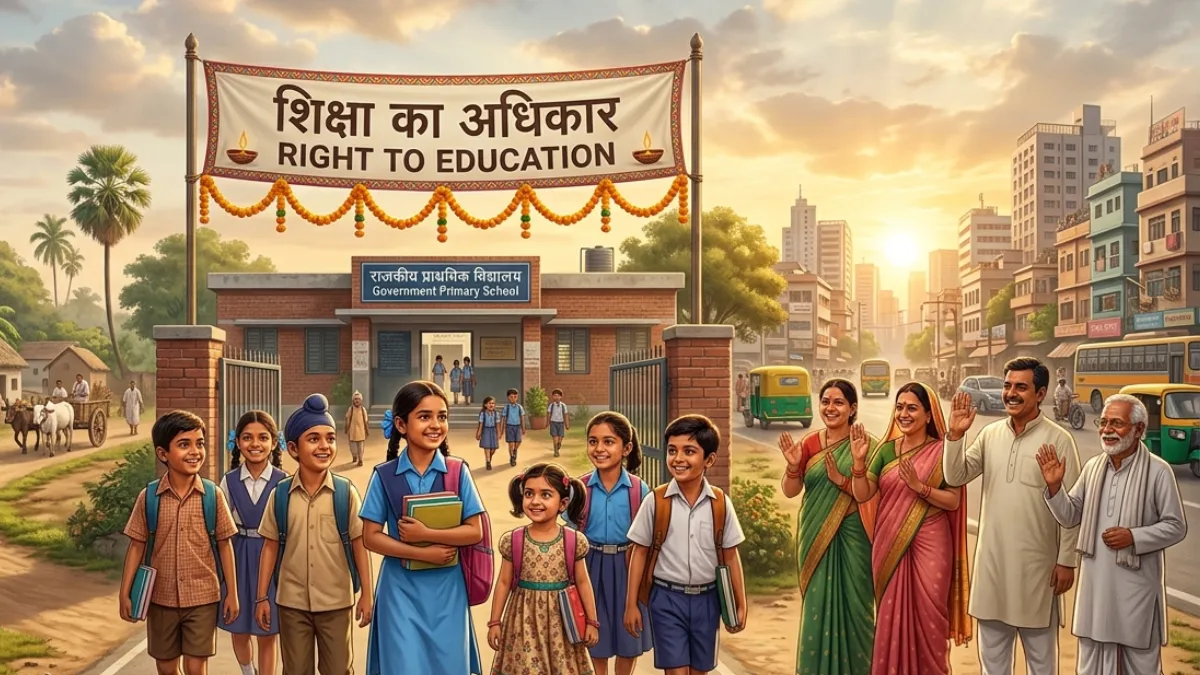
Children holding school bags under 'Right to Education' banner
The Right to Education has brought many positive changes in India. More children are now attending schools, especially in rural and underprivileged areas. It has also increased parents' awareness of the importance of education for both boys and girls.
However, some challenges still exist. Many schools in remote areas face shortages of teachers and infrastructure. Some children also drop out due to financial problems or family responsibilities. Therefore, both the government and society must work together to improve the education system further.
The Right to Education is a major step toward building an educated and equal society in India. It gives every child the opportunity to learn, grow, and achieve their dreams. Education is not just a right but also the foundation of a brighter future for the nation.
Have something to say?
Share your ideas, stories, or opinions with other students.